Preparing Your Home for a Smooth Sale During Divorce
Practical steps to protect home value, reduce stress, and prepare your property for sale during a separation in California.
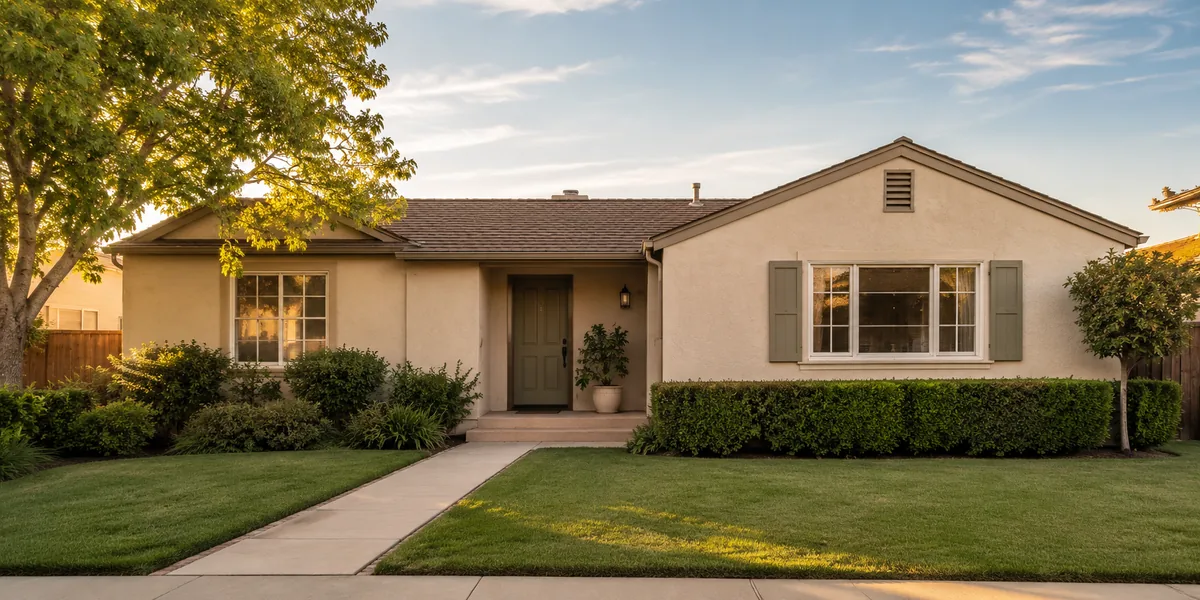
Selling a home is rarely simple. Selling a home during a divorce is harder. There are two sets of priorities to balance, more emotional weight on every decision, and usually a tighter timeline than a normal sale. The good news is that the preparation steps themselves are not that different from any other home sale. The challenge is doing them well while everything else around the home is in motion.
This article walks through how to prepare a home for sale during a divorce or separation in California. The goal is to protect the value of the home, reduce friction between the spouses, and avoid the most common mistakes we see.
Why Preparation Matters More During Divorce
In a normal home sale, the seller has time. They can repaint a room, fix a leaky faucet, and stage the living room over a few weekends. In a divorce sale, time is often the scarce resource. Court dates, attorney deadlines, and the practical reality of two people trying to live separately all compress the calendar.
Preparation matters because:
- A well-prepared home sells faster, which reduces the time both spouses have to coordinate
- A well-prepared home sells closer to its real market value, which means more proceeds to split
- A well-prepared listing reduces the number of price reductions and renegotiations, which are points of friction between spouses
Spending a small amount of time and money up front almost always pays back more than it costs.
First Steps Before Listing
Before any cosmetic work happens, there are some practical first steps:
Agree on the basic decision to sell. This sounds obvious but is often the slowest part. Both spouses need to be on the same page that selling is the path, even if they disagree on details like price or timing. Without this agreement, every later step becomes a fight.
Loop in your attorneys. A home sale during divorce affects the legal process in ways that may not be obvious. Your attorney needs to know what is happening, ideally before the home is listed. They may have input on timing, on how proceeds will be held, or on documents that need to be signed.
Get a current market assessment. Before deciding what to fix and what to skip, you need a realistic picture of what the home is worth as-is and what it might be worth after specific improvements. A real estate professional with experience in your area can provide this.
Decide who manages communication with the agent and the buyers. Two people sending different messages to a real estate agent creates problems. Most couples designate one spouse as the primary contact for day-to-day decisions, with major decisions still requiring both signatures.
Working With Your Spouse on Practical Decisions
Many of the decisions about a home sale are technically simple but emotionally hard. Whose belongings get moved out first. Whether to repaint a room the other spouse picked. How to handle showings if one spouse is still living in the home. These are the moments where divorces stall.
A few approaches that help:
- Separate the decisions from the relationship. Treat the home sale as a business transaction with a shared goal: maximum value, minimum friction. Save the emotional conversations for a different time.
- Use professionals as buffers. When direct conversation between spouses is hard, having the real estate agent or attorneys carry information back and forth reduces friction.
- Document agreements in writing. Even small ones. “We agreed the master bedroom will be repainted, and the cost will be split from the proceeds.” Written agreements prevent later disputes about what was decided.
- Pick your battles. Not every difference of opinion needs to be resolved. Some things can be left alone if the cost of arguing is higher than the cost of just doing it.
Cosmetic Improvements That Protect Value
Most homes benefit from a few targeted improvements before listing. The list below covers the most common ones that pay back their cost:
Paint. Fresh paint in neutral colors is the single highest return improvement in most homes. It is also one of the fastest to do.
Decluttering. Buyers respond to space. Half-empty rooms feel small. Overly full rooms feel chaotic. Aim for clean, simple, intentional. This often means renting a storage unit for a few months.
Deep cleaning. Hire professionals if at all possible. Carpets, windows, baseboards, kitchens, and bathrooms. Buyers notice cleanliness immediately, even if they cannot articulate it.
Curb appeal. First impression matters. Trimmed hedges, a clean front walk, fresh mulch, a new welcome mat. None of this is expensive. All of it changes how a buyer feels when they pull up.
Minor repairs. Squeaky doors, broken light switches, leaky faucets, loose handles. A single afternoon with a handyman can take care of a long list.
Lighting. Replace burned out bulbs. Open blinds during showings. Buy a few inexpensive lamps for dark corners. Bright homes show better in photos and in person.
What to Leave to Professionals
A few things should not be DIY:
- Professional photography. The photos are the entire first impression online. Spending a few hundred dollars on a real estate photographer is one of the highest-return decisions in the whole sale.
- Major repairs. Roof, plumbing, electrical. Fix anything that will fail an inspection or significantly reduce value. Skip cosmetic upgrades that are unlikely to return their cost.
- Staging, if recommended. Empty homes and overly personal homes both sell for less than well-staged homes. Your agent can advise whether staging is worth it for your specific situation.
Setting Realistic Expectations on Timeline
In a typical California market, a well-prepared home goes from listed to in-contract within four to six weeks. Closing takes another 30 to 45 days. So the full timeline from listing to closing is typically two to three months.
Preparation before listing takes another two to six weeks, depending on the scope. If significant repairs are needed, longer.
Things that extend the timeline:
- Disagreements between spouses about price reductions
- Major repairs uncovered during inspection
- Buyer financing issues
- Title or legal complications
The best way to keep the timeline on track is to handle the predictable issues during preparation, leaving only the unpredictable ones for the live phase of the sale.
Coordinating With Your Attorney and Other Advisors
A few touchpoints with your attorney matter during preparation:
- Before listing, to confirm the legal process supports the sale moving forward
- When offers come in, to review terms and timing
- When inspection results come back, if repairs become a negotiation point
- Before signing closing documents, to confirm the distribution of proceeds matches the settlement
Tax professionals and financial advisors may also need to weigh in on timing and on how the proceeds are handled. A short conversation early in the process can prevent expensive surprises later.
Closing Thoughts
Preparing a home for sale during divorce is mostly about doing the normal preparation work in a way that minimizes friction between the two parties selling it. The technical steps are not complicated. The hard part is the coordination.
The homes that sell well during divorce share a few traits: both spouses agreed on the basic plan early, the preparation work was handled efficiently, communication ran through clear channels, and the real estate decisions stayed separate from the emotional ones as much as possible. None of this happens by accident. It comes from intentional choices made at the start.
Anchor Realty provides real estate and mortgage services. The information in this article is general and is not legal, tax, or financial advice. For decisions specific to your situation, consult a qualified family law attorney, a tax professional, and a California-licensed real estate professional.